
Verdelho: from Madeira to Swan Valley & the Azores to Península de Setúbal
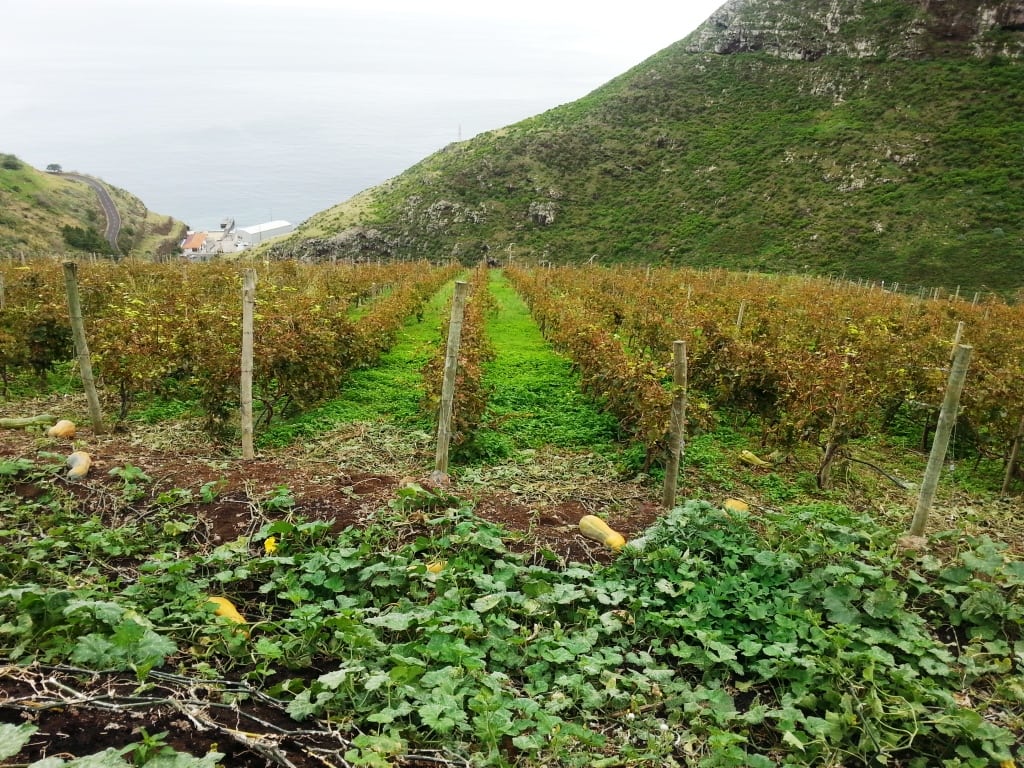
Casa da Vinha vineyard
Said to originate from Madeira (pictured) where it makes the island’s medium dry fortifieds and best table wines, Verdelho also seems to flourish in warmer, drier climes. On the Portuguese mainland in Alentejo and, as I just discovered, Península de Setúbal, in which regions it is a relative newcomer. In Australia (where, according to Wine Grapes it arrived from Madeira in the 1820s), a favourite sun spot is Western Australia’s Swan Valley.
Here are three impressive (table wine) examples from Madeira, Península de Setúbal and the Swan Valley. All are dry, unoaked and exhibit textural citrus peel characters.
Primeira Paixão Verdelho 2014 (Madeira)
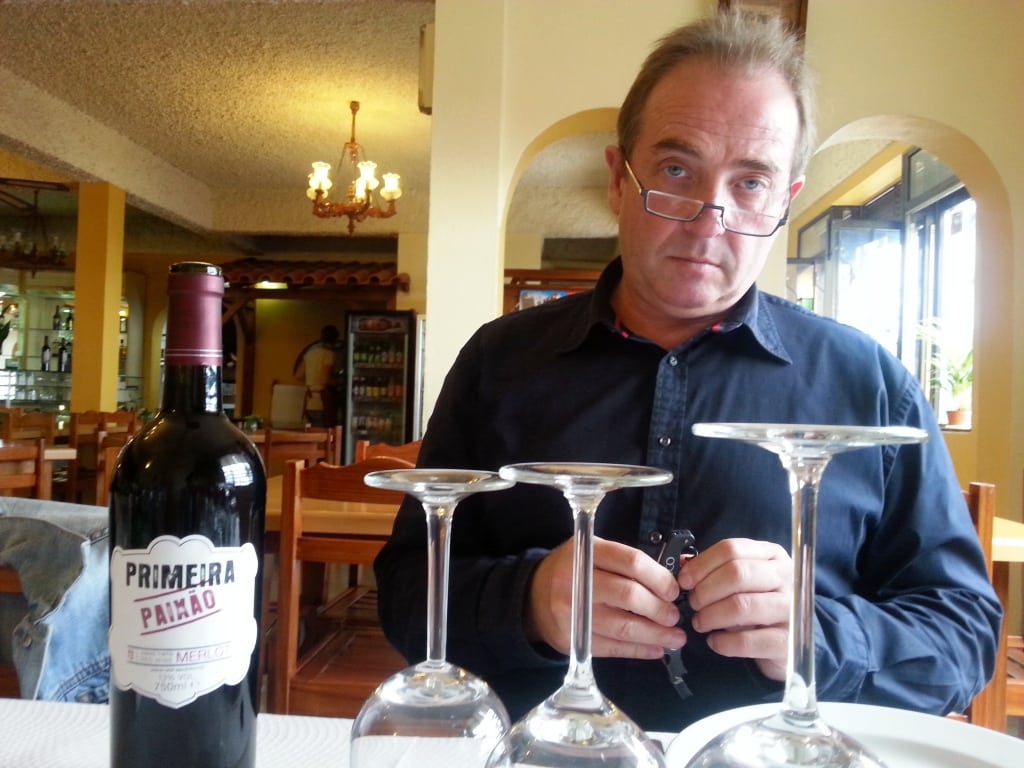
Filipe Santos
It’s a while since I tasted this wine (the stunning 2009 vintage, the second release, is reviewed here). There’s a reason for that – it wasn’t produced again until 2014 as there was something of a hiatus between winemakers. However, one third of Primeira Paixão still comes from brand owner Filipe Santos’ vineyard, “Casa da Vinha,” a 2 hectare terraced parcel of Verdelho in the south part of the island on volcanic soils, just 600m from the Atlantic. The balance is from a vineyard in Ponta do Pargo, in the westernmost part of Madeira. The wine is also still made at Adega de São Vicente, a government-owned and run operation which was built in 1999 to help growers make table wine. In fact I tasted this wine from tank when I visited last year. The finished 2014 is a complex, un-showy wine with tangy green tomato/tomato plant, grapefruit (flesh and pith), juicy acidity and a subtle hint of sweet orange blossom. With good weight and mouthfeel, a funky, briney quality and clean finish it would be a perfect match for the Arroz de Lapas (rice with large, meaty, very briney limpets) which we enjoyed after our winery visit at Marisqueira Pedra do Mar, Seixal. I love Portuguese seafood and rice dishes. They’re gutsier than Italian risotto dishes and purer – more focused on the main (fishy) ingredient – than paella. Back then we enjoyed it with two mature Verdelho’s from the island – the unoaked Barbusano Verdelho 2009 and oaked Quinta do Moledo Verdelho 2008, whose younger vintages also impressed. 12%
José Maria da Fonseca Colecção Privada Verdelho 2014 (Península de Setúbal)
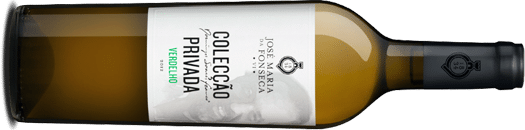
Verdelho is a recent addition to José Maria da Fonseca’s very sizeable range; the vines (from one of the company’s own estates) are 12-15 years old and planted on clay/limestone. It’s from a vintage winemaker Domingos Soares Franco reckons is the best for whites since 1980 (which is when he joined the family business). Based on last month’s visit to southern Portugal, it certainly looks like a great year for fresh, aromatic, intense whites. Soares Franco’s brother CEO António told me that the inspiration to make it came from Domingos’ trips to Australia. Since he couldn’t get cuttings from Australia, they instead sourced the Verdelho from the Azores, another Portuguese island which is now making some superb dry wines from the variety (read my recent Azores’ wine report here). It’s gently tropical with a twist of lime/lime peel and relatively fine-framed compared to the others. A salty edge to its crisp finish took me straight back to the Azores, though it was less piquant and finer bodied than the examples I tasted there! Not a keeper but a wine to enjoy young. 13%
Talijancich Estate Verdelho 2012 (Swan Valley)
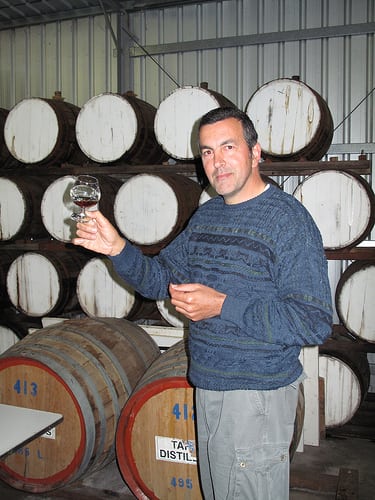
Third generation winemaker James Talijancich
Together with John Kosovitch, another producer of Croatian descent, Talijancich (a biodynamic producer) make long-lived dry table and sweet liqueur fortified wines from Verdelho in Swan Valley, a stone’s throw from Perth. It is Western Australia’s warmest, driest region and it shows. This is the weightiest Verdelho of the three with plenty of mouthfeel – a girth – and traces of sweet pink grapefruit, candied citrus and green tropical fruit. But it’s very well balanced too, with complexing notes of white pepper, grapefruit pith and white porcini/tufa minerality. I tasted a very impressive 2003 museum release in 2009 when I visited (reviewed here) and reckon this wine will age well into the mid-term too. Good to see the wines are now being imported into the UK by Green Cellar Wines, where it retails for £15.60. 14%


Recent Comments
Hi Sarah, Thanks for this great post! Reading your reviews makes me happy that I have a few bottles of (the regular) Noval from 2015 onwards!! All
Thanks for the suggestion. I know Lance Foyster quite well. However I have just found the Wine Society are now listing an Encruzado for £15.50